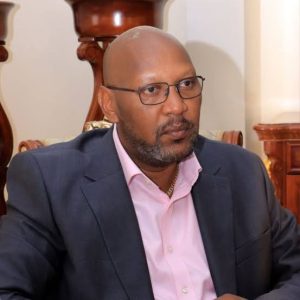

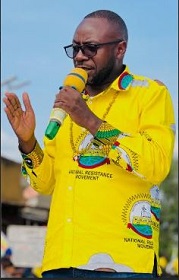
Kiconco Katabaazi Patrick
By Andysen Agaba
Opinion: Politics occasionally produces victories that redefine a region’s direction.
In Rukiga Constituency, the 2026 parliamentary race delivered such a moment through the commanding rise of Kiconco Katabaazi Patrick (KKP).
A lawyer and economist by profession, KKP first drew attention during the NRM primaries, where he defeated seasoned contenders to secure the party flag.
Skeptics questioned whether he could replicate that strength in the general election.
The electorate responded decisively.
KKP secured 61.27% of the vote and won across all sub-counties in Rukiga one of the most dominant constituency performances in the Kigezi sub-region.
To appreciate the scale of his victory, it is helpful to compare results from across the region:
Parliamentary Results Across Kigezi (%)_
Rukiga
Kiconco K. Patrick
61.27
Rubanda East
Henry Musasizi
55.46
Rubanda West
Bruce B. Kabasa
53.20
Kabale Municipality
Andrew A. Baryayanga
52.10
Ndorwa East
Protazio Begumisa
50.05
Rujumbura (Rukungiri)
Jim Muhwezi
51.70
Rukungiri Municipality
Lt. Gen. H. Tumukunde
53.20
Rubabo (Rukungiri)
Mathias Rwabugumi
32.30
Kinkizi West (Kanungu)
James Kabareku
40.08
Kanungu
Dr. Chris Baryomunsi
52.10
Bufumbira East (Kisoro)
Roland N. Kanya
56.67
Against this backdrop of tightly contested races many hovering in the low-to-mid 50% range KKP’s 61.27% landslide stands out as a commanding endorsement.
Such dominance was not accidental._ KKP’s rise was built on years of structured grassroots engagement within party ranks, from village mobilization to serving as NRM Chairman for Rwamucucu Sub-county and later District Finance Secretary.
His campaign reflected coordination, discipline, and consistent community presence.
Beyond party consolidation, the margin signals something deeper: voter confidence.
A 61 percent mandate carries expectation. Rukiga’s farmers, youth, entrepreneurs, and civil servants will look to their MP to transform electoral momentum into measurable progress improved service delivery, economic opportunity, and effective representation in Parliament.
With professional grounding in law and economics, KKP enters Parliament equipped to contribute meaningfully to fiscal and development debates. Yet as history has shown, political longevity depends not only on numbers, but on performance.
For now, however, one fact remains clear: in a region defined by competitive races and narrow survival margins, Rukiga delivered one of Kigezi’s clearest and strongest verdicts.
The mandate is historic.
The expectations are high.
The responsibility begins now.
About The Author