
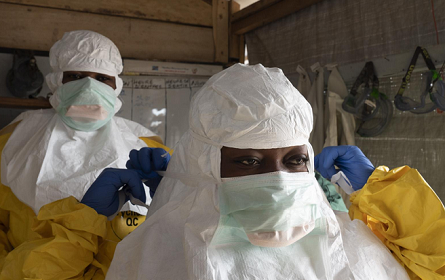
The government has set its sights on bars and other entertainment venues as it tightens measures to control the spread of Ebola, following earlier bans on public rallies, music concerts and large outdoor events.
Building on restrictions already imposed on mass gatherings, health and security officials are now focusing on nightclubs, bars, lounges and similar establishments, which they consider high‑risk spaces because of crowded indoor conditions, loud music, close physical contact and prolonged patron interactions. Sources say new guidelines under discussion could include stricter operating hours, caps on the number of patrons allowed inside at any one time, and possible temporary closures in areas deemed most vulnerable.
The looming crackdown has triggered anxiety across the nightlife sector, with bar owners, DJs, waiters and waitresses worried about losing the businesses and jobs they depend on. Many say they are still recovering from previous limits on events and argue that any additional controls should balance public health with economic survival, including clear timelines and support measures.
Officials maintain, however, that protecting lives remains the priority and insist that bars and entertainment spots must be closely regulated to prevent Ebola transmission. As the country grapples with the outbreak, the nightlife industry is bracing for tougher days ahead as government moves to enforce stricter Ebola‑control protocols in social spaces.
About The Author


