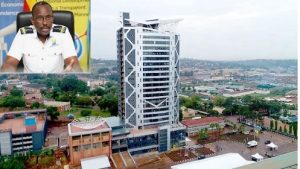

Karitas Karisimbi
As Uganda grapples with fresh controversy over dual citizenship in public office, media personality Karitas Karisimbi has stepped forward with a deeply personal reflection on identity, belonging, and service.
The debate was reignited after the appointments committee blocked the nomination of Prof. Robert Muganga as minister of state for Internal Affairs over his dual Rwandan and Canadian citizenship.
Against this backdrop, Karisimbi revisited her own painful experience of losing her Ugandan passport, an event she describes as “deeply personal” and “heartbreaking,” forcing her to choose between identities she had never seen as conflicting. Born and raised in Uganda, Karisimbi says the country educated her, shaped her and gave her opportunities to serve, even as she later obtained a Rwandan passport and work permit to remain legally able to live and work in Kampala. Though of Rwandan heritage, she insists she has always felt Ugandan “in every meaningful sense,” arguing that true service is measured not by the passport one carries but by competence, integrity, and contribution to the common good.
Calling for calm and respect for institutions overseeing appointments, she warns against voices seeking to inflame ethnic tensions or speak for all Banyarwanda.
Instead, she urges Ugandans to embrace the country’s long history of diversity, reject division, and continue building a society where people are judged by character and commitment, not ethnicity or citizenship status.
Her full story (verbatim)
I would like to share a personal reflection on the ongoing conversations around citizenship, identity, and public service in Uganda. I was born and raised in Uganda. It is the country that shaped me, educated me, gave me opportunities, and allowed me to serve to the best of my ability. When my Ugandan passport was revoked years ago, it was one of the most difficult experiences of my life. It felt deeply personal and, at the time, heartbreaking. I was asked to choose between aspects of my identity that, to me, had never been in conflict. After much reflection, I decided that what mattered most was my ability to continue living, working, and contributing to the country I call home. I subsequently obtained a Rwandan passport and a work permit. While the process brought inconvenience and frustration, it never stopped me from continuing to work, build, contribute, and serve alongside fellow Ugandans. Though I am of Rwandan heritage, I have always considered myself Ugandan in every meaningful sense of the word, having lived here my entire life. That experience taught me an important lesson: service to one’s country is not measured solely by the passport one carries, but by the contribution one makes, the values one upholds, and the commitment one demonstrates to the people around them. As we debate recent appointments and questions of citizenship, I believe our focus should remain on competence, integrity, service, and the value individuals can bring to Uganda. Institutions responsible for appointments should be allowed to perform their duties, while the rest of us assess leaders by the impact they make.
Uganda’s story has always been one of diverse communities, cultures, and histories living alongside one another. Our identities are often more interconnected than we sometimes acknowledge. That diversity should be a source of strength rather than division. I also wish to say this respectfully: those who seek to inflame tensions or claim to speak for all Banyarwanda do not speak for me. I have never denied my heritage, nor have I ever stopped loving Uganda. The loss of a passport did not diminish my affection for this country or my desire to contribute to its future. We are a peaceful people. We are neighbours, colleagues, friends, and family members. The conversations we have today will shape the country our children inherit tomorrow. Let us therefore choose wisdom over anger, unity over division, and dialogue over suspicion. I love Uganda, and I remain grateful for all it has given me. I also remember a time when many people of Rwandan heritage living in Uganda felt unable to openly acknowledge that part of who they were. We have made significant progress since then. Let us not move backwards. Let us continue building a society where people are judged by their character, contribution, and commitment to the common good.
Peace, respect, and togetherness must always come first.
About The Author